

Workplace training has changed dramatically over the past few years. Training topics evolve faster, regulations update more often, and learners expect more engaging experiences than traditional slide decks and outdated DVDs can provide.
That is one reason more instructors are moving toward streaming video training libraries instead of relying on physical media, disconnected training materials, or trying to build every course from scratch themselves.
For trainers responsible for keeping employees engaged, compliant, and informed, access to a flexible video library can make training easier to deliver, easier to update, and far less time-consuming to manage.
The Problem With Traditional Training Materials
Many instructors still face common challenges when preparing for classes:
- Outdated DVDs and aging video content
- Limited training budgets
- Repetitive annual refresher sessions
- Difficulty finding materials for new topics
- Last-minute requests for additional training
Even experienced trainers can spend hours searching for relevant content, organizing materials, or trying to keep classes fresh year after year.
At the same time, many organizations are experimenting with creating their own training content using AI tools. While AI can help generate outlines, quizzes, or ideas, building effective workplace training still requires time, expertise, and oversight.
Instructors must still verify accuracy, review compliance details, structure learning objectives, and ensure content stays current. For compliance and safety training especially, inaccurate or incomplete information can create real organizational risk.
Why Streaming Video Libraries Are Growing in Popularity
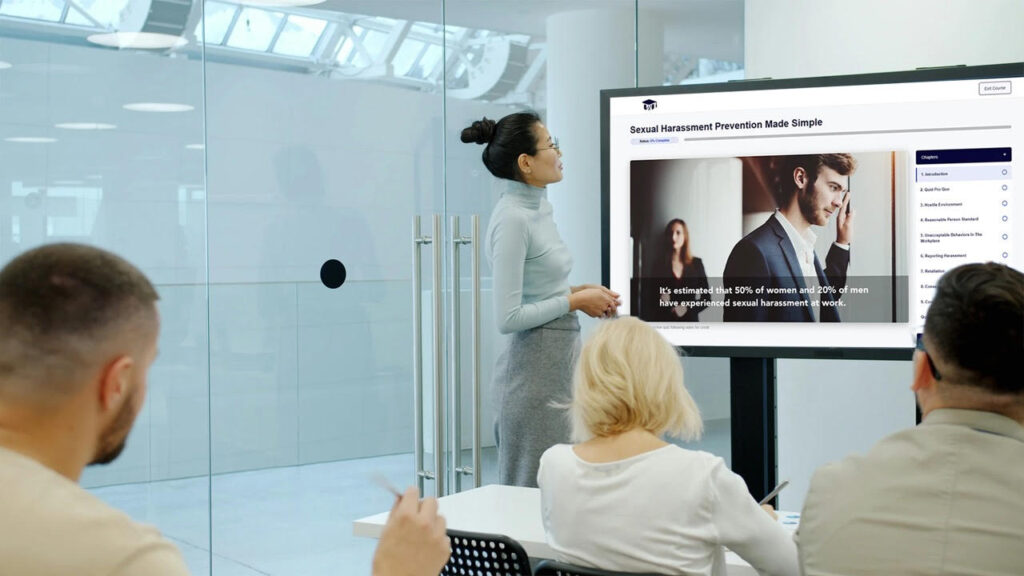
Streaming video libraries give instructors immediate access to professionally produced training content without the limitations of physical media or the burden of creating everything from scratch.
Instead of purchasing individual DVDs or rebuilding presentations for every topic, instructors can quickly select videos that match their audience, industry, or training goals.
Streaming libraries help instructors:
- Access training content anytime
- Explore new training topics
- Update classes more easily
- Deliver more engaging sessions
- Build customized training programs
- Reduce preparation time
For many organizations, this also helps standardize training across locations and instructors.
The Value of Professionally Developed Content
One major reason instructors are turning toward streaming libraries is the credibility and consistency that professionally developed content provides.
High-quality training videos are often created with input from subject matter experts, instructional designers, and industry professionals who understand both technical requirements and real workplace situations.
That means instructors can spend less time:
- Fact-checking AI-generated content
- Building presentations
- Recording narration
- Updating outdated materials
And more time focusing on learner engagement and discussion.
Many trainers are finding that AI works best as a support tool rather than a replacement for quality training content. AI can help create supplemental activities or discussion prompts, while professionally developed video libraries provide a trusted foundation for instruction.
Keeping Learners More Engaged
One of the biggest challenges instructors face is maintaining attention during workplace training.
Professionally produced video content helps create more dynamic learning experiences through:
- Real-world workplace scenarios
- Demonstrations
- Animation and visuals
- Clear explanations
- Consistent messaging
Many instructors also use video segments to support discussion, reinforce key concepts, or break up longer sessions.
Supporting Modern Training Needs
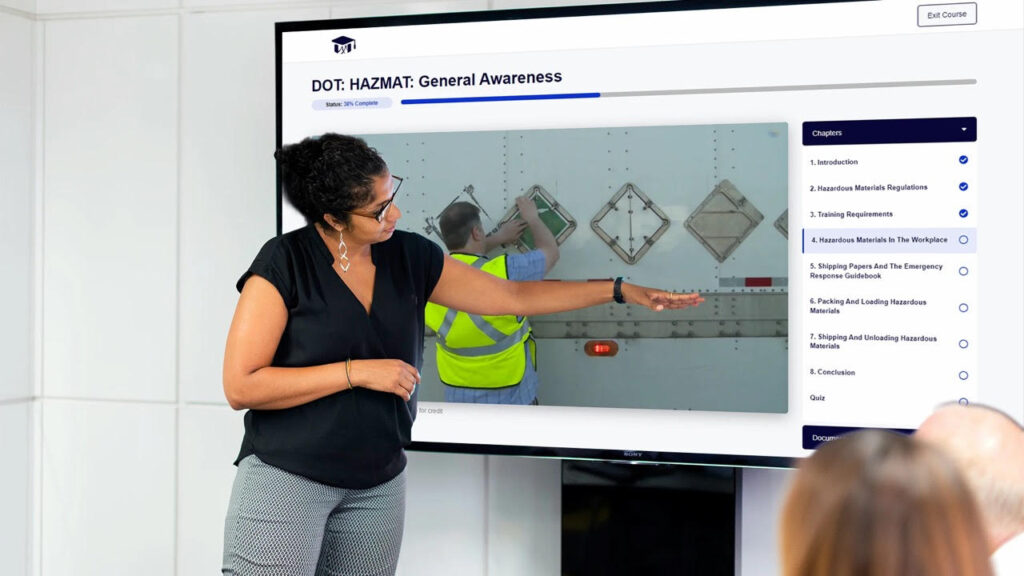
Today’s instructors are often responsible for a growing list of topics, from safety and HR compliance to leadership, cybersecurity, and AI workplace skills.
A streaming library allows trainers to quickly expand their training offerings without constantly purchasing new materials or building content internally.
Streaming content also supports:
- In-person training
- Hybrid learning
- Refresher training
- Onboarding
- Supplemental reinforcement
This flexibility helps instructors adapt to changing workplace needs while keeping training consistent and engaging.
A Smarter Approach to Workplace Training
Training expectations will continue to evolve. Employees expect engaging learning experiences, organizations expect faster updates, and trainers are being asked to cover more topics than ever before.
Streaming video libraries help instructors stay flexible, prepared, and efficient without dramatically increasing preparation time or costs.
For many trainers, the shift is not simply about convenience. It is about having access to credible, professionally developed training materials that support better learning outcomes while saving valuable time.
Learn more about our library for trainers and how you can subscribe here.