
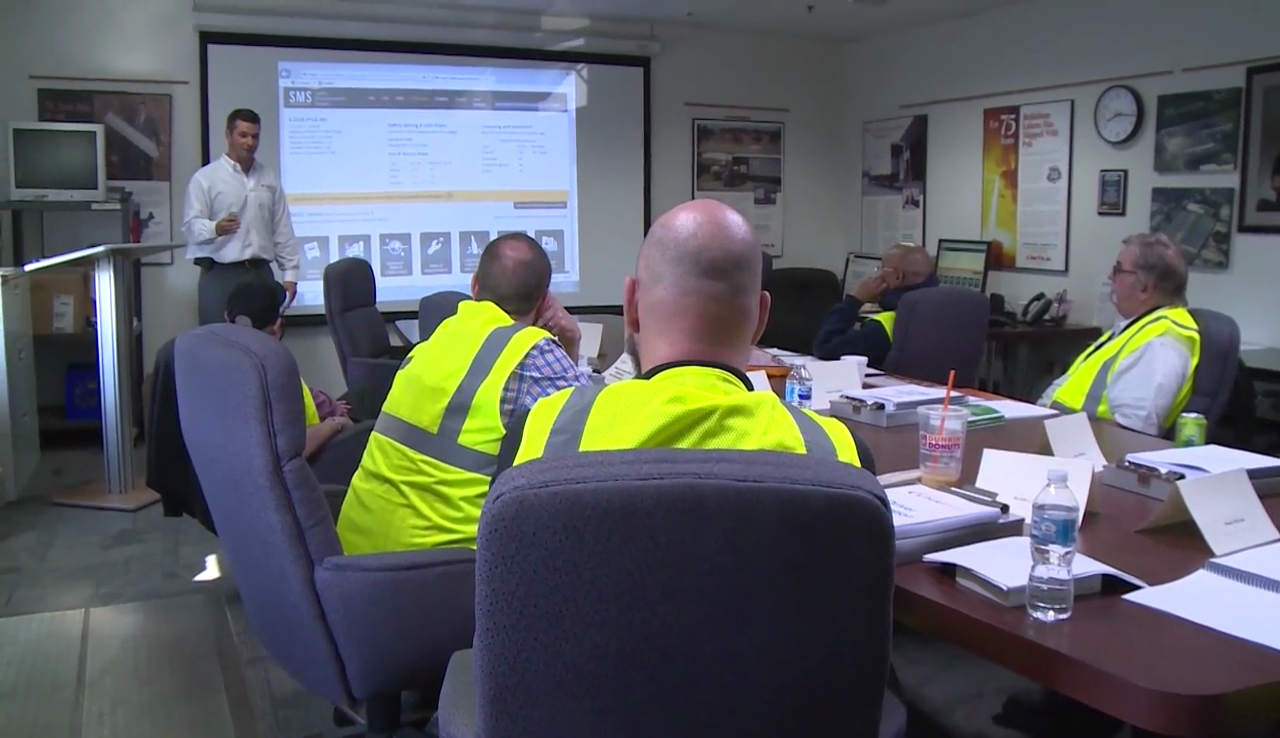
Most organizations provide some form of safety training, but coverage is often uneven. Certain high-risk topics get regular attention, while others are addressed only after an incident, inspection, or close call. For corporate trainers and instructors, building a well-rounded safety curriculum means making sure these foundational topics are consistently included, reinforced, and refreshed over time.
Here are ten safety training topics that every workplace should cover, even though many tend to overlook or underemphasize them.
1. Slips, Trips, and Falls
One of the most common causes of workplace injuries, yet often dismissed as “common sense.” Training should focus on housekeeping, footwear, walking surfaces, and reporting hazards before incidents happen.
2. Lockout/Tagout
Energy control procedures are critical in maintenance and manufacturing environments. Even experienced workers benefit from periodic refreshers on when and how to properly isolate equipment before servicing.
3. Heat Stress and Cold Stress
Seasonal hazards are easy to forget until temperatures spike or drop. Training employees to recognize early warning signs and take preventive steps can significantly reduce weather-related incidents.
4. Forklift and Material Handling

Powered industrial trucks and manual material handling remain major sources of injuries. Training should address both equipment operation and the broader environment, including pedestrian awareness and load stability.
5. Hazard Communication
Chemical hazards exist in far more workplaces than people realize. Employees need to understand labels, Safety Data Sheets, and what to do when working around or responding to hazardous substances.
6. Bloodborne Pathogens
Often associated only with healthcare, bloodborne pathogen risks can exist in many settings, from manufacturing to custodial work. Clear training helps employees know how to respond safely to potential exposure.
7. Fire Prevention

Fire safety training should go beyond evacuation routes. Employees should understand common causes of workplace fires, basic prevention practices, and how to respond appropriately in the early moments of an incident.
8. Ergonomics
Musculoskeletal injuries build up over time and are easy to overlook. Training on posture, workstation setup, and safe lifting techniques can reduce long-term injuries and lost workdays.
9. Personal Protective Equipment (PPE)
Providing PPE is not enough. Employees need to know when it is required, how to wear it correctly, and how to inspect and maintain it to ensure it actually provides protection.
10. Workplace Violence Prevention
This topic is increasingly relevant across industries. Training should help employees recognize warning signs, understand reporting procedures, and know how to respond to potentially threatening situations.
Final thought:
A strong safety program is built on consistent coverage of both high-visibility risks and the quieter, everyday hazards that lead to injuries over time. Reviewing your current curriculum against a list like this can help surface gaps and guide future training priorities.
Having access to a broad, flexible library of safety courses also makes it easier to reinforce these topics regularly, adapt to seasonal risks, and respond quickly when new training needs arise. Get started here.